


For many, the word vulture conjures up an image of a bald, scrawny and- let’s just say it -slightly intimidating bird. Their appearance has earned them an unfortunate reputation, often symbolising death or darkness in popular culture and landing them a firm (if unfair) spot among the so-called “Ugly Five”.
Mythology hasn’t always been kind to vultures either. In Greek mythology, they were associated with punishment and war—think of Prometheus’ eternal torment, or their links to Ares (Mars), the god of war. Yet, in Egyptian and many African belief systems, vultures were revered. They symbolised protection, divinity, fertility and motherhood, recognised for their nurturing qualities and their vital role in maintaining balance in the natural world.
Found on every continent except Australia and Antarctica, vultures are divided into two groups: Old World vultures (consists of Africa, Europe and Asia) and New World vultures (the Americas). But beyond their global presence and mixed reputation, what do we really know about these iconic birds of the African wilderness?
Let’s take a closer look.

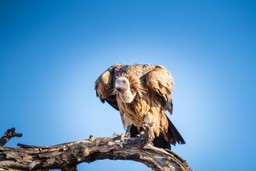
The Good, the Bad and the Ugly
Let’s start with the “ugly”.
There’s actually very good reason for the vulture’s distinctive look. Their bald heads and necks shared by many, though not all species, are a practical adaptation. With no feathers to trap bacteria while feeding, they remain remarkably hygienic, even when consuming carcasses. Their bare skin also helps regulate body temperature in the heat of the African bush.
Vultures don’t have sweat glands either, so to cool down, they urinate on their legs. It may sound unpleasant, but this behaviour not only lowers their body temperature, it also helps disinfect their limbs. Nature, as always, knows exactly what it’s doing.
Now, the bad.
Despite their importance, vultures are among the most endangered bird species in the world—particularly in Africa. As scavengers, they feed on diseased and decaying animals, but this role places them directly in harm’s way. Farmers sometimes poison carcasses to deter predators from livestock, unintentionally killing vultures in the process. Even more alarmingly, poachers deliberately poison large carcasses, such as elephants or rhinos, to eliminate vultures as the alarm system whose circling flight could alert authorities to illegal activity.
Vulture body parts are also used in some forms of traditional medicine, further increasing pressure on an already vulnerable population.
Within the Sabi Sands Nature Reserve, endangered vulture species are actively protected through monitoring and research initiatives, anti-poaching patrols, the provision of safe nesting environments, and the rehabilitation of injured birds, ensuring these vital scavengers continue to soar over the landscape.
And finally, the good.
Vultures are nature’s clean-up crew and one of the most efficient recyclers in the wild. Able to consume carcasses at any stage of decay, they prevent the spread of disease, limit harmful bacteria, and return nutrients to the ecosystem. Without vultures, landscapes would be far less healthy and far more dangerous for both wildlife and people.
Often misunderstood, always essential, vultures are quiet custodians of the wild. At Cheetah Plains, we see them not for their appearance, but for the extraordinary role they play in keeping the bushveld balanced, resilient and alive.
- Share:


